
By Parveen Dahiya | May 14, 2026
The bio-hacking obsession vs. simple wisdom
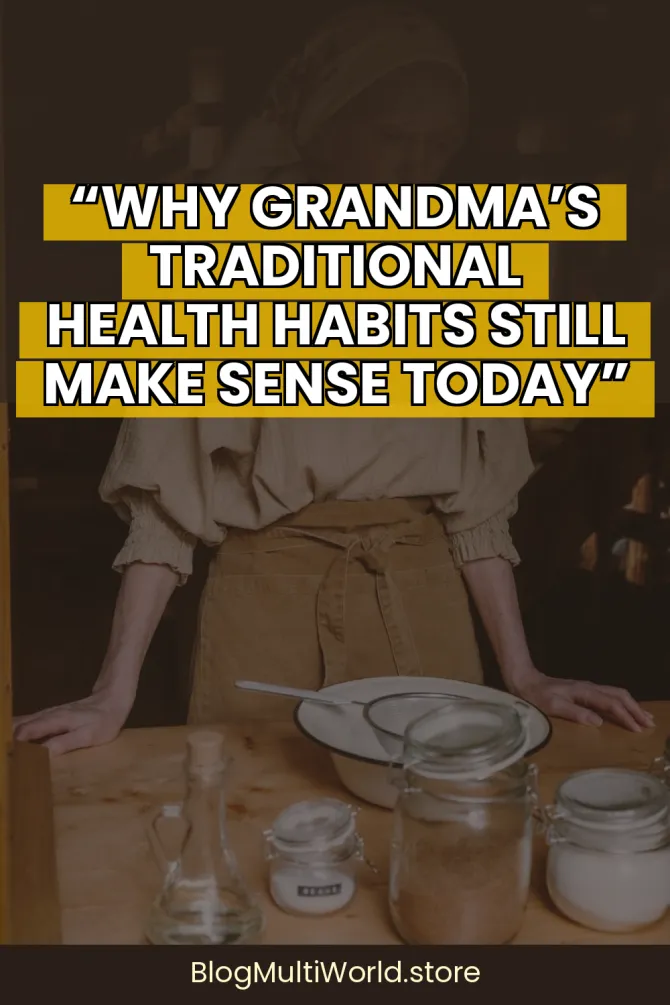
Why do we think a $300 smartwatch knows more about our bodies than our ancestors did? We've reached a point where people won't even take a walk unless a piece of silicon on their wrist tells them they've hit a specific number of steps. It's wild. Growing up in Panipat, I watched my grandmother manage a household of eight people, cook every meal from scratch, and stay active until she was 85. She didn't have a fitness tracker. She didn't have an AI-powered nutrition app. She just had habits that worked.
I'm a developer. I spend most of my day staring at code, managing deployments on Hostinger India, and trying to figure out why a database query is taking three seconds longer than it should. My world is technical, logical, and data-driven. But when it comes to health, I've realized that our modern "data-driven" approach is often just a noisy distraction from the basics. Honestly, it's not that deep. The things our grandmothers did weren't based on superstition; they were based on thousands of years of trial and error. That’s the ultimate beta test.
Sunlight and Circadian Rhythms before they were trendy
Modern influencers talk about "morning sunlight exposure" like they’ve discovered a new API for the human body. Grandma just called it opening the windows. In our old house in Haryana, the day started when the sun came up. There was no scrolling through Twitter or checking server uptime at 5 AM. You got up, you went outside, and you let the sun hit your face.
I used to be a night owl. I thought I was more productive at 2 AM while the world was quiet. But my health paid the price. My digestion was a mess, and my sleep was light. I started experimenting by mimicking those old habits. I ditched the blue light from my monitors for the first hour of the day and sat on the balcony instead. It’s not magic, it’s biology. That morning light resets your internal clock. It’s better than any premium coffee blend you’ll find in a fancy Gurgaon cafe. When you align your body with the natural day-night cycle, your brain fog clears up. It turns out Grandma was right—the early morning hours really are the most valuable.
The industrialization of our dinner plates
We've traded fresh roti for protein bars and "fortified" cereals. It's a bad trade. Most of the stuff we eat now is basically edible plastic wrapped in marketing. My grandmother's kitchen was a pharmacy. Turmeric wasn't a "superfood trend" you bought for ten dollars at a boutique shop; it was just what you put in the dal. I remember when I had a nasty cough last winter while building a new site. Instead of popping pills immediately, I went back to basics. I used neem for oral care and drank warm milk with turmeric. It actually worked, surprisingly.
We focus so much on macros and calories that we forget about the quality of the source. Grandma wouldn't recognize half the ingredients in a modern loaf of bread. She cooked with what was in season. In Panipat, that meant specific vegetables in the winter and different ones in the summer. There’s a reason for that. Your body needs different nutrients depending on the weather. If you're eating imported strawberries in the middle of a Haryana winter, you're missing the point. Those traditional Indian kitchen habits that still make sense today aren't just about taste; they're about survival and local adaptation.
Movement isn't a 45-minute gym appointment
I see people driving five kilometers to a gym just to walk on a treadmill for thirty minutes. It’s ridiculous. Grandma never "worked out" in her life, yet she was stronger than most people I know today. She just moved. She walked to the local market. She stood while preparing food. She sat on the floor. Sitting on the floor—the "Indian squat"—is one of the best things you can do for your hip mobility and digestion.
As a developer, I'm guilty of the "chair life." I've spent thousands on ergonomic chairs and standing desks. But nothing beats the simple act of moving throughout the day. I started implementing a rule: for every hour of coding, I do five minutes of something physical. I don't mean a high-intensity workout. I mean squatting, stretching, or just walking around the room. I noticed a massive difference in my lower back pain. We’ve over-complicated fitness. You don’t need a gym membership to be healthy; you just need to stop being so static. Grandma didn't need a standing desk because she was never sitting in one spot for eight hours straight.
Why the "Slow" movement matters for your gut
We inhale our food while watching YouTube tutorials or checking Slack notifications. It's a disaster for our systems. Grandma would tell us to sit down, be quiet, and chew. She didn't know about digestive enzymes or the vagus nerve. She just knew that rushing makes you sick. I actually wrote about how slow eating changed my digestion and energy levels and it's been one of my most practical shifts.
Recommended Reading
When you chew your food properly, you're doing half the work for your stomach. I remember sitting at the dinner table and being told to chew each bite thirty times. As a kid, it was annoying. As an adult with a busy career, I realize it was genius. It prevents overeating because your brain actually has time to receive the "I'm full" signal. In our rush to be productive, we've optimized the joy and the health right out of our meals. We treat eating like a background task that needs to be completed as fast as possible. That’s a bug in our lifestyle code that needs fixing.
The myth of the superfood and the power of local ghee
Every year, there’s a new "miracle" food. One year it’s kale, the next it’s avocado, then it’s some obscure berry from the Amazon. People in India are now spending huge amounts of money on these things while ignoring what’s in their own pantry. Grandma used ghee for everything. For a while, the "experts" told us ghee was bad for the heart. Now, suddenly, it’s a healthy fat again.
I’ve seen this cycle happen so many times in the tech world. A new framework comes out, everyone says the old one is dead, and five years later, we’re all back to the basics because the new thing was too bloated. Ghee is the "C language" of nutrition. It’s foundational. It’s stable. It works. My grandmother didn't need a study from a university to tell her that a little ghee on a roti was good for her joints. She could feel it. We’ve lost the ability to listen to our bodies because we’re too busy listening to influencers.
Mental clarity through simple routine
There’s a lot of talk about "mindfulness" and "meditation apps" these days. But Grandma’s life was inherently mindful. There was a rhythm to it. The morning prayers, the afternoon rest, the evening walk. It wasn't forced. It was just life. I used to think that to be successful, I had to be "on" 24/7. I thought if I wasn't learning a new language or building a side project, I was falling behind.
That’s a one-way ticket to burnout. I hit that wall a few years ago while trying to scale a client's e-commerce platform during a festival sale. My brain just stopped working. I couldn't solve simple logic problems. I went back home to Panipat for a week. No laptop, no 5G, just Grandma’s routine. I slept when it was dark. I ate real food. I talked to people face-to-face instead of through a screen. I came back and finished the project in half the time. Rest isn't laziness; it's maintenance. Our ancestors understood that you can't keep a machine running forever without cooling it down.
Legacy habits for a high-tech future
We don't need to live in the past, but we should definitely stop ignoring it. I’m still going to use AI to speed up my workflow. I’m still going to enjoy the convenience of UPI for every small transaction. But I’m also going to keep drinking water from a copper vessel and eating my dinner before 8 PM. These aren't conflicting ideas. You can be a high-performing professional in 2026 and still follow the health logic of 1960.
The next time you feel overwhelmed by the latest health trend or a new "must-have" supplement, just ask yourself what your grandmother would do. She probably wouldn't buy the $50 bottle of vitamins. She’d probably tell you to go outside, eat a home-cooked meal, and get some sleep. Honestly, that’s usually all the advice you need. It’s time we stop over-engineering our health and start trusting the legacy code that’s been running successfully for generations.
Leave a Reply