
By Parveen Dahiya | May 13, 2026
The Non-Stick Scam and the Iron Kadhai
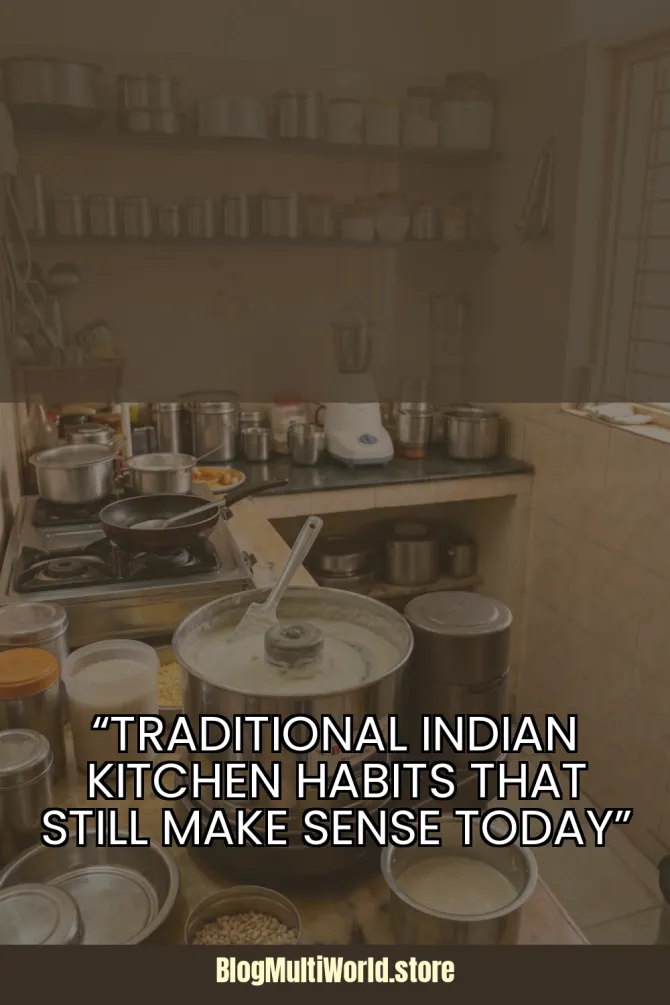
My grandmother never owned a non-stick pan. She didn't need one. She had a heavy, black iron kadhai that probably weighed more than I did when I was five. Every time I visit my parents in Panipat, the first thing I notice is the taste of the food. It's different. It's richer. I spent years in Bangalore trying to replicate that taste using fancy ceramic-coated pans I bought off Amazon, but I failed every single time. It's not just about the recipe. It's about the tools. We've been told that non-stick is 'healthier' because you use less oil. But nobody talks about the chemicals that flake off into your food once that coating gets a tiny scratch. It's a trade-off that doesn't make sense if you think about it for more than a minute.
Cooking in iron actually adds iron to your diet. It's a biological fact. If you're struggling with low energy, maybe stop looking for supplements and start looking at your cookware. I remember debugging a particularly nasty SQL injection vulnerability last year while my mom was making parathas in the next room. The smell of that seasoned iron was more grounding than any 'productivity hack' I've ever read on Twitter. Iron pans hold heat better. They sear better. Plus, they're basically indestructible. You buy one, and your grandkids will probably use it to make their own meals in 2070. That's real sustainability, not the plastic-wrapped version companies sell us today.
Eating with Your Hands is a Sensory Experience
Stop using a fork for everything. Seriously. There's a reason why traditional Indian meals are meant to be eaten with your fingers. It's not because we didn't have cutlery. It's because your fingers are the first step in digestion. When you touch your food, your brain receives an immediate signal about the texture and temperature. This prepares your stomach for what's coming. It's like a pre-warmed server before a high-traffic launch. Your body isn't surprised by the bolus of food hitting your gut. It's ready for it.
I've noticed that when I eat with my hands, I'm much more mindful. You can't really scroll through a technical documentation page on your phone if your fingers are covered in dal. It forces you to focus on the meal. You'll find that why chewing food properly can improve your health becomes a natural byproduct of this focus. You eat slower. You taste the spices. You actually feel full before you overeat. In my experience, the modern habit of shoveling food into our mouths while staring at a screen is why half of us have gut issues. It’s a disconnected way to live. Eating with your hands connects you to the food and your own body's hunger cues. It's a simple feedback loop that works.
The Logic of Sitting on the Floor
Most Indian households have transitioned to dining tables, but the old way of sitting on the floor—specifically in Sukhasana—was genius. It's not just about being humble. When you sit on the floor, you're constantly moving. You lean forward to eat and move back to your original position. This back-and-forth motion helps the abdominal muscles work better. It’s like a mini-workout for your digestive system. I tried this for a month when I was dealing with a bad case of acidity while working on a Hostinger India server migration. The results were better than any antacid I've taken.
It also keeps your joints flexible. In a world where we spend 10 hours a day sitting in ergonomic chairs that actually ruin our posture, sitting on the floor for 20 minutes a day is a blessing. It opens up the hips. It strengthens the lower back. Honestly, it's not that deep, but it's effective. If you can't sit on the floor comfortably, that's a sign your body is losing its natural range of motion. We spend so much money on gym memberships to fix problems that sitting on the floor could have prevented in the first place. Next time you're at home, try it. You'll feel the difference in your digestion almost immediately. You might even find that how a simple morning garlic habit helped me manage acidity naturally works even better when combined with these structural habits.
Recommended Reading
Copper Water and the Circadian Rhythm
Storing water in a copper vessel (Tamra Jal) overnight isn't just some 'old wives' tale'. Copper has natural antimicrobial properties. It's oligodynamic. This means it can kill bacteria that might be lurking in your water. Growing up, my dad always kept a copper jug by his bedside. I used to think it was just an aesthetic choice. It wasn't. When water stays in a copper container for 8 hours, it leaches a tiny, safe amount of copper ions that help with melanin production and iron absorption. It’s a passive health benefit.
I've started doing this again. I keep a copper bottle on my desk while I'm coding. It reminds me to stay hydrated without reaching for a soda or another cup of coffee. Speaking of hydration, knowing when should you drink water during meals is just as important as what you’re drinking from. Traditional wisdom says don't drown your food in water during the meal; drink it before or much later. This keeps your 'Agni' or digestive fire strong. It’s basic logic. You don't throw water on a fire you're trying to cook over. Why do it to your stomach?
The Science of the Tadka
The 'tadka' or tempering isn't just for the aroma. It's a delivery system. Many of the active compounds in Indian spices, like the curcumin in turmeric, are fat-soluble. If you just throw turmeric into boiling water, your body won't absorb much of it. But when you heat it in oil or ghee with black pepper, the bioavailability skyrockets. The heat 'blooms' the spices, releasing essential oils that aid digestion. It's chemistry happening in a small steel ladle.
We use hing (asafoetida) in lentils because lentils cause gas. Hing is a powerful anti-flatulent. We use cumin because it stimulates digestive enzymes. Every single ingredient in a traditional Indian spice box has a functional purpose. Last week, I was at the local mandi here in Panipat, paying for my groceries via UPI—it's amazing how even the smallest vegetable vendors accept digital payments now—and I overheard a tourist asking why we use so many spices. It's not just for heat. It's for health. We've been practicing preventative medicine in our kitchens for thousands of years. It’s time we stopped treating these habits like outdated traditions and started seeing them as the sophisticated systems they actually are. They still make sense. They still work. And they're a lot cheaper than the latest 'wellness' gadgets.
Leave a Reply